



























































Watch Boutique is a direct luxury watch buyer, purchasing from private sellers UK-wide. We specialise in established, high-demand luxury watch brands — including Rolex, Omega, Patek Philippe, Audemars Piguet, Breitling and TAG Heuer — and every offer is built from brand, model, reference number, condition and current market demand. We buy pre-owned and used luxury watches from sellers nationwide, in person or by insured post, with same-day bank transfer once an offer is accepted. If your watch is listed below, start your free valuation with Sell My Watch today.
Why Luxury Watch Brands Matter When Selling
Not every luxury watch brand behaves the same way in the resale market. Brand determines demand, and demand determines price. A Rolex Submariner and a lesser-known Swiss brand may share similar build quality, yet the two watches can command very different offers, because collector interest and secondary-market liquidity are brand-specific, not quality-specific.
Luxury watch buyers price a watch against its own market, not a generic valuation table. Some luxury watch brands — Rolex, Patek Philippe and Audemars Piguet among them — hold strong resale value because global demand consistently outstrips available supply. Other respected manufacturers produce excellent watches with smaller, slower secondary markets, which affects how quickly a watch buyer can resell and, in turn, what can be offered for it.
This is why brand recognition sits at the centre of every luxury watch valuation. A specialist watch buyer studies reference numbers, model variants, discontinued lines and current buyer sentiment for each brand individually. Generalist buyers, pawnbrokers and non-specialist jewellers rarely track this level of detail, which is why sellers of high-value Swiss watches and luxury timepieces are usually better served by a dedicated luxury watch buyer.
At Watch Boutique, brand expertise directly shapes the number we offer. Understanding a brand’s market position is the first step — see how we value your watch or read more about our approach on Watch Buyers UK. Understanding these market differences allows specialist buyers to assess each watch individually, starting with the specific factors that make up a valuation.
How We Assess Luxury Watch Brands
Brand is the starting point of a valuation, not the whole of it. Two watches from the same manufacturer can carry very different offers once model, reference number, age, condition and originality are factored in.
Reference number is one of the most important data points we use. It identifies the exact dial variant, bracelet type, movement and production year of a watch, and two watches that look near-identical to an untrained eye can carry a meaningfully different value once the reference is checked. Condition is assessed next, and we distinguish clearly between an unworn watch, one showing light everyday wear, and one that is heavily worn — case wear, bracelet stretch, dial condition and any previous polishing all move the offer up or down, with an unpolished case generally valued higher than a polished one. Originality matters just as much as cosmetic condition: a watch fitted with its original bracelet, links and movement components is typically offered more than one carrying aftermarket or replacement parts fitted during a previous service.
Documentation is weighed alongside the watch itself. We distinguish between a complete set — original box, warranty card, service history and any additional links — and a watch-only sale, with a complete set increasing an offer, though Watch Boutique still purchases luxury watches with no paperwork at all. Rarity is assessed separately again: vintage references, discontinued models and limited-edition runs are often less available to buyers, which can justify a stronger offer than an equivalent current-production model.
Finally, every valuation is checked against current market demand rather than a fixed price list. Our specialists track the pre-owned watch market daily, so an offer reflects what buyers are paying today, not last year’s average. Read more about how market trends impact watch prices or get a valuation for your specific watch. Once these factors have been considered, the next step is understanding why they play out so differently from one brand to the next.
Why Different Luxury Watch Brands Receive Different Offers
Every luxury watch brand occupies a different position within the secondary market, which is why the same condition and completeness can produce very different offers depending on the manufacturer. Rolex, for example, benefits from waiting lists on new stock, which pushes sustained demand into the pre-owned market and keeps resale prices firm across most references. Patek Philippe and Audemars Piguet operate at lower production volumes, so rarity and collector demand play a larger role in their valuations than they do for higher-volume brands.
Omega and Breitling, by contrast, are produced in far greater numbers, which means their offers are driven more by model popularity, condition and completeness than by scarcity alone — a well-kept Omega Speedmaster will typically outperform a rarer reference in poor condition. TAG Heuer follows a similar pattern: demand concentrates around a small number of flagship collections, and pricing tracks model recognition more closely than production volume.
Market liquidity is the thread connecting all of this. A brand with strong liquidity can be resold quickly at a predictable price, which allows a specialist buyer to offer close to full market value. A brand with thinner liquidity carries more resale risk, which is reflected in a more conservative offer. This is why specialist buyers assess every luxury watch individually, weighing brand, model, rarity and current demand together, rather than applying a single valuation model across the board. With these market differences in mind, here are the luxury watch brands we actively buy.
Luxury Watch Brands We Buy
Watch Boutique buys luxury watches from the brands below. Each brand is assessed using its own demand pattern, not a single fixed formula.
Rolex
Rolex is the most liquid luxury watch brand in the UK secondary market, and consistent demand across sports and professional references means we can make a strong offer on almost any model, from Oyster Perpetual through to Daytona and GMT-Master II. Waiting lists on new stock keep pre-owned prices firm, which is one of the reasons Rolex commands some of the strongest offers we make.
Patek Philippe
Patek Philippe differs from Rolex because collector rarity, not waiting-list demand, is the main driver of price — low production volumes keep demand ahead of available supply on key references. Complicated and discontinued models generate the strongest buyer interest, and originality has a significant effect on the offer we can make.
Audemars Piguet
Audemars Piguet’s Royal Oak and Royal Oak Offshore drive almost all secondary-market demand for the brand, and limited production numbers keep resale prices firm. Original bracelets and unpolished cases support stronger offers, since replaced components affect value more here than with many other brands.
Omega
Omega relies more heavily on model popularity and condition than scarcity, unlike Rolex, where waiting lists sustain demand regardless of individual condition. The Speedmaster and Seamaster generate the most buyer interest, and because most references remain in active production, completeness affects the offer more than rarity does.
Breitling
Breitling’s Navitimer, Chronomat and Superocean collections maintain steady resale interest, particularly among buyers with an aviation or motorsport connection to the brand. Offers are driven mainly by model and condition rather than rarity, as most references are produced in meaningful volumes.
IWC
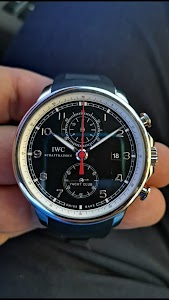
IWC’s Pilot’s Watch and Portugieser collections see the most consistent secondary-market demand, and buyers place a clear premium on original bracelets, straps and documentation when comparing otherwise similar examples.
Panerai
Panerai’s oversized case design has built a dedicated collector market for the Luminor and Radiomir lines, and unpolished cases with original components typically achieve the strongest offers.
Longines
Longines sits at an accessible point in the luxury market, and steady demand across its core collections supports consistent offers whether a watch is current production or vintage.
TAG Heuer
TAG Heuer’s Carrera, Monaco and Aquaracer collections see consistent demand, with pricing driven more by model recognition and condition than by rarity, since most references were produced in meaningful volumes.
Cartier
Cartier’s Santos, Tank and Ballon Bleu extend buyer demand beyond traditional watch collectors, which keeps resale interest broad and consistent regardless of the wider watch market’s mood.
Grand Seiko
Grand Seiko demand has grown quickly in the UK over recent years, and buyer interest is increasingly matching that of established Swiss brands at a similar price point.
We also buy Hublot, where demand is driven heavily by specific limited-edition Big Bang and Classic Fusion references, and Bell & Ross, whose aviation-instrument case design supports a focused, condition-led collector market. Within each brand above, individual models can differ significantly in demand and value.
Popular Luxury Watch Models We Buy
Buyer demand often varies more by model than by manufacturer alone, which is why two watches from the same brand can produce noticeably different offers.
Submariner, Daytona, GMT-Master II, Datejust, Explorer and Sea-Dweller generate the strongest and most consistent demand within the Rolex range, though Yacht-Master, Sky-Dweller, Oyster Perpetual and Day-Date all remain reliably tradeable.
Speedmaster, Seamaster, Planet Ocean and Aqua Terra account for most of the buyer interest we see in Omega, with the Speedmaster’s motorsport and space heritage giving it the widest collector appeal.
Santos, Tank and Ballon Bleu are the models we’re asked about most often, valued as much for instantly recognisable design as for horological specification.
Nautilus and Aquanaut typically generate stronger offers than the Calatrava line, reflecting sustained demand that outstrips available supply on sports-luxury references.
Royal Oak and Royal Oak Offshore represent almost all of the demand we see for the brand, with dial variant and bracelet configuration having a meaningful effect on the final offer.
Within each brand, individual models can differ significantly in demand and value, which is why every watch is assessed against its exact reference rather than its model name alone.
We Buy Men’s and Women’s Luxury Watches
Watch Boutique buys men’s, women’s and unisex luxury watches, spanning dress watches, sports watches, vintage references and current-production models. Brand and model drive the valuation far more than the intended wearer, which means a women’s Rolex Datejust or a men’s Omega Seamaster are assessed using the same criteria described above — reference number, condition, originality and current market demand. Whether you are selling a classic dress watch or a modern sports model, our specialists value it against its own segment of the luxury watch market.
We Buy Used and Pre-Owned Luxury Watches
Watch Boutique buys used, pre-owned, second-hand and vintage luxury watches from private sellers nationwide. A complete set with original box, papers and service history typically increases an offer, but a watch-only sale, with no accessories at all, is still purchased — see our guide on whether you need the box and papers to sell a watch. We buy serviced and unserviced watches, working and non-running examples, and watches showing genuine signs of everyday wear.
Beyond watches, we also buy designer accessories.
Every watch is authenticated by our specialists before a final offer is confirmed, protecting both buyer and seller in the transaction — read more on why authentication matters when selling a luxury watch. You can complete the process however suits you: post your watch using our fully insured Royal Mail Special Delivery service, arrange collection, or book an in-person appointment. Postal valuations are accepted from anywhere in the UK, so there’s no need to be near one of our locations to sell — for the full walkthrough, see our step-by-step guide to selling a watch fast. If you’re ready to find out what your watch is worth in its current condition, get a free valuation from our team.
Brands We Don’t Currently Buy
Watch Boutique focuses exclusively on luxury mechanical watches with established secondary markets. We do not currently buy smartwatches or fashion-brand timepieces, including Apple Watch, Garmin, Michael Kors, Fossil and Daniel Wellington.
We also don’t currently purchase watches from certain smaller manufacturers, including Gerald Genta, Graham, Jaquet Droz, Maurice Lacroix, Nicolas Rieussec, Perrelet, Baume & Mercier, Frederique Constant and Raymond Weil. This isn’t a reflection of build quality — it comes down to market liquidity, resale demand and pricing stability in the current secondary market, which are the same factors that shape every offer we make on the brands we do buy.
Why Sell Luxury Watch Brands to Watch Boutique?
Watch Boutique buys luxury watches directly from private sellers across the UK, with no auction delays, no marketplace fees and no waiting for a private buyer to appear. Every valuation is carried out by specialists with brand-specific knowledge, and every offer reflects real, current market demand rather than a fixed price guide.
Every offer we make brings these factors together: the luxury watch brand and model, its exact reference number, condition and originality, whether it includes box and papers, and where current market demand for that reference sits today. Our specialist buyers apply this same process to every luxury watch purchased directly from sellers across the UK, whether by face-to-face appointment or fully insured post, with payment made the same day by direct bank transfer and no obligation to sell at any stage.
Frequently Asked Questions
Which luxury watch brands do you buy?
We buy Rolex, Patek Philippe, Audemars Piguet, Omega, Breitling, IWC, Panerai, Longines, TAG Heuer, Cartier, Grand Seiko, Hublot and Bell & Ross.
Do you buy watches without box and papers?
Yes. A complete set can increase an offer, but we buy luxury watches with or without original box, papers or service history.
Do you buy vintage luxury watches?
Yes. Our specialists value vintage and discontinued references alongside current-production models, based on their own market demand.
Do you buy damaged luxury watches?
Yes. Condition affects the offer, but we buy luxury watches in all conditions, including non-running examples.
Which luxury watch brands hold value best?
Rolex, Patek Philippe and Audemars Piguet are generally the most liquid luxury watch brands in the current UK secondary market, though individual model and reference number ultimately determine value.