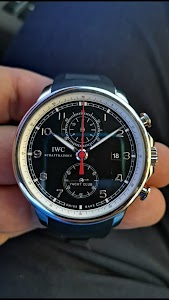



























If you are considering selling a luxury watch, it is worth taking the time to understand how the process works before making any decisions. Selling a high-value timepiece is not the same as selling everyday items. Luxury watches from brands such as Rolex, Patek Philippe, Omega, and Audemars Piguet hold significant value and require careful handling, accurate valuation, and secure transactions.
This guide is written for UK-based watch owners who want a clear, straightforward explanation of what selling a watch involves. Whether you have inherited a timepiece, are looking to upgrade your collection, or simply wish to release capital, understanding the process will help you make an informed choice. By the end of this guide, you will know how valuations work, what options are available, and what to consider before proceeding.

What Does “Sell My Watch” Actually Mean?
When someone searches for “sell my watch,” they are typically looking for a way to convert their timepiece into cash quickly and securely. The motivations vary. Some owners want speed and certainty, preferring a straightforward transaction over waiting weeks or months for a buyer. Others prioritise achieving the highest possible price, even if that means accepting more risk or a longer timeframe.
Understanding these motivations matters because they determine which selling route is most appropriate. There are three main options available to UK watch owners.
Private Sale
Selling directly to another individual, typically through classified advertisements or personal contacts. This approach can yield the highest return but carries greater risk, requires more effort, and offers no guarantees of sale.
Auction
Consigning your watch to an auction house, where it will be sold to the highest bidder. Auctions suit rare or collectible pieces but involve fees, waiting periods, and uncertain outcomes.
Professional Watch Buyer
Working with an established watch buyer who will assess, authenticate, and purchase your watch directly. This option provides certainty, speed, and security, making it the preferred choice for many UK sellers. If this approach appeals to you, selling your watch through a professional UK buyer offers a streamlined experience.
What Is a Professional Watch Buyer?
A professional watch buyer is a specialist dealer who purchases luxury timepieces directly from private sellers. Unlike pawnbrokers, who offer short-term loans against collateral, watch buyers acquire watches outright at agreed prices. Unlike high-street jewellers, whose primary business is retail sales, dedicated watch buyers focus exclusively on the secondary market for fine timepieces.
This distinction matters. Professional watch buyers maintain deep expertise in authentication, valuation, and market dynamics. They understand the nuances that separate a standard production model from a sought-after variant, and they have established networks to assess, service, and resell watches efficiently. In practice, many UK sellers find that working with a specialist buyer offers a level of knowledge and market access that generalist businesses simply cannot match.
The role exists because the luxury watch market operates differently from ordinary consumer goods. A Patek Philippe or Audemars Piguet requires expert handling—not just for valuation, but for authentication, condition assessment, and understanding collector demand. Professional watch buyers bridge the gap between private owners and the broader market, providing a secure, efficient route to sale.
How Selling a Watch Works in the UK
The process of selling a luxury watch follows a well-established sequence, regardless of which route you choose. Understanding each stage helps set realistic expectations.
Initial Valuation
The process typically begins with an initial assessment. For professional watch buyers, this often starts online or over the telephone, where basic details about the watch—brand, model, condition, and accompanying documentation—are gathered to provide a preliminary estimate.
Market Comparison
The watch buyer will compare your timepiece against current market data, reviewing recent sales of similar models to establish fair value. Factors such as demand trends, seasonal fluctuations, and collector interest all influence pricing. For deeper insight into how these factors work, understanding how market trends impact watch prices provides useful context.
Physical Inspection
A hands-on examination is essential for accurate valuation. During this stage, experts assess the watch’s condition in detail, verify authenticity, and confirm that all components are original. This inspection protects both buyer and seller by ensuring the watch is exactly as described.
Offer Stage
Following inspection, a formal offer is made. With reputable watch buyers, this offer reflects the genuine market value of your timepiece, with no hidden deductions or last-minute adjustments.
Payment Process
Once you accept an offer, payment is arranged. Professional UK watch buyers typically offer same-day bank transfers, providing immediate access to funds without delays or complications.
How UK Watch Buyers Value a Watch
Accurate valuation requires expertise across several areas. Understanding these factors helps explain why two seemingly similar watches can command very different prices.
Brand Desirability
Certain brands consistently achieve higher prices due to their reputation, heritage, and demand. High-value luxury watches such as Rolex, Patek Philippe, and Audemars Piguet occupy the upper tier, while respected names such as Omega, Breitling, and TAG Heuer maintain strong secondary market positions.

Model and Reference Numbers
Within each brand, specific models carry greater value. Limited editions, discontinued references, and historically significant pieces attract premium prices. The precise reference number identifies production details that significantly affect valuation.
Condition
The physical state of a watch directly impacts its worth. Light signs of wear are expected on pre-owned pieces, but significant damage, aftermarket modifications, or replaced components can substantially reduce value. A common issue we see is polishing—while owners often believe a freshly polished case improves presentation, over-polishing can actually diminish value by removing original finishing. Original condition is almost always preferred.
Box and Papers
Complete sets—including the original box, warranty card, instruction manual, and purchase receipt—command higher prices than watches sold without documentation. These items provide provenance and reassurance to future buyers. In our experience, sellers are often surprised by how much complete documentation can add to a valuation—sometimes several hundred pounds on popular models. Understanding whether you need papers and box to sell a watch can help you gauge how documentation affects your specific situation.
Service History
A documented service history from authorised service centres demonstrates proper care and maintenance. Recent servicing can add value, while watches requiring immediate work may receive adjusted offers to account for service costs.
Current Market Demand
The luxury watch market fluctuates based on collector preferences, economic conditions, and supply factors. A model commanding premium prices today may settle to different levels in the future, and vice versa.
UK vs International Market Factors
The UK market operates within a global context. Currency movements, import duties, and regional preferences all influence local pricing. A professional watch buyer with international reach can often access broader demand, potentially benefiting sellers.
Watch Buyer vs Auctions vs Online Marketplaces
Each selling route offers distinct advantages and drawbacks. The right choice depends on your priorities.
Professional Watch Buyers
Working with an established watch buyer offers certainty and speed. You receive a firm offer based on expert assessment, with payment typically processed the same day. There are no listing fees, no waiting periods, and no risk of a sale falling through. This route suits owners who value efficiency and security over potentially marginal price gains.
Auction Houses
Auctions can achieve strong results for rare, collectible, or historically significant pieces where competitive bidding may drive prices above market value. However, auction houses charge seller’s commission (often 10-15% or more), require weeks or months of waiting, and offer no guarantee of sale. If your watch fails to meet its reserve, it returns unsold, and you may still incur fees. For a more detailed comparison, deciding whether to sell at auction or to a dealer explores these considerations further.
Online Marketplaces
Peer-to-peer platforms and online resale marketplaces allow you to list your watch and negotiate directly with buyers. This approach can maximise returns for sellers willing to invest time in photography, descriptions, communication, and shipping logistics. However, these platforms charge fees (typically 6-12%), transactions can take weeks or months, and sellers assume responsibility for authentication disputes and payment security. In practice, many UK sellers underestimate the time commitment involved—fielding enquiries, managing offers, and handling logistics can become a significant undertaking. Comparing platforms such as Chrono24, WatchBox, and eBay provides additional detail on each option’s strengths and weaknesses.
Summary Comparison
| Factor | Watch Buyer | Auction | Online Resale Platform |
|---|---|---|---|
| Fees | None | 10-15%+ commission | 6-12% platform fees |
| Timeframe | Same day | 6-12 weeks | Days to months |
| Certainty of Sale | Guaranteed | Not guaranteed | Not guaranteed |
| Risk | Low | Medium | Higher |
| Payment Security | Immediate bank transfer | Post-sale settlement | Varies by platform |
Legal, Payment and Safety Considerations When Selling a Watch in the UK
Selling a valuable item involves practical considerations beyond price negotiation. Understanding these requirements ensures a smooth, secure transaction.
Proof of Ownership
Legitimate watch buyers will ask about the provenance of your timepiece. While original purchase receipts are ideal, other documentation such as service records, insurance valuations, or inheritance paperwork can establish ownership history. In our experience, most sellers have at least some documentation available, even if the original receipt has been misplaced. This protects both parties and ensures compliance with UK trading standards.
Identity Requirements
UK regulations require watch buyers to verify the identity of sellers. Expect to provide government-issued photo identification and proof of address. This standard procedure applies to all high-value transactions and should not cause concern.
Anti-Money Laundering Checks
Professional watch buyers operating in the UK are subject to anti-money laundering regulations. These checks are a legal requirement and demonstrate that the buyer operates within proper regulatory frameworks. A reputable business will handle these discreetly and efficiently.
Secure Payment Methods
Bank transfers remain the standard payment method for luxury watch transactions in the UK. This approach provides both parties with a clear, traceable record. Avoid any buyer suggesting cash payments, cryptocurrency, or unconventional payment arrangements, as these may indicate unprofessional practices.
Insured Delivery and Handling
If your watch is being sent for assessment, reputable buyers arrange fully insured, tracked delivery. The watch should be covered from the moment it leaves your possession until payment is completed. Always confirm insurance arrangements before dispatching any valuable item. Following a step-by-step approach to selling a watch can help ensure no important details are overlooked.
Tax Considerations
In certain circumstances, selling a watch may have tax implications. While personal possessions are often exempt from capital gains tax, high-value transactions or watches held as investments may require consideration. Understanding whether you need to report the sale for tax purposes provides guidance on this topic. For specific advice, consulting a tax professional is always recommended.
Who This Guide Is For (and Who It Isn’t)
This guide is intended for owners of genuine luxury watches who are considering selling in the UK market. The information applies to mechanical and automatic timepieces from established Swiss, German, and other fine watchmaking brands.
This Guide Applies To
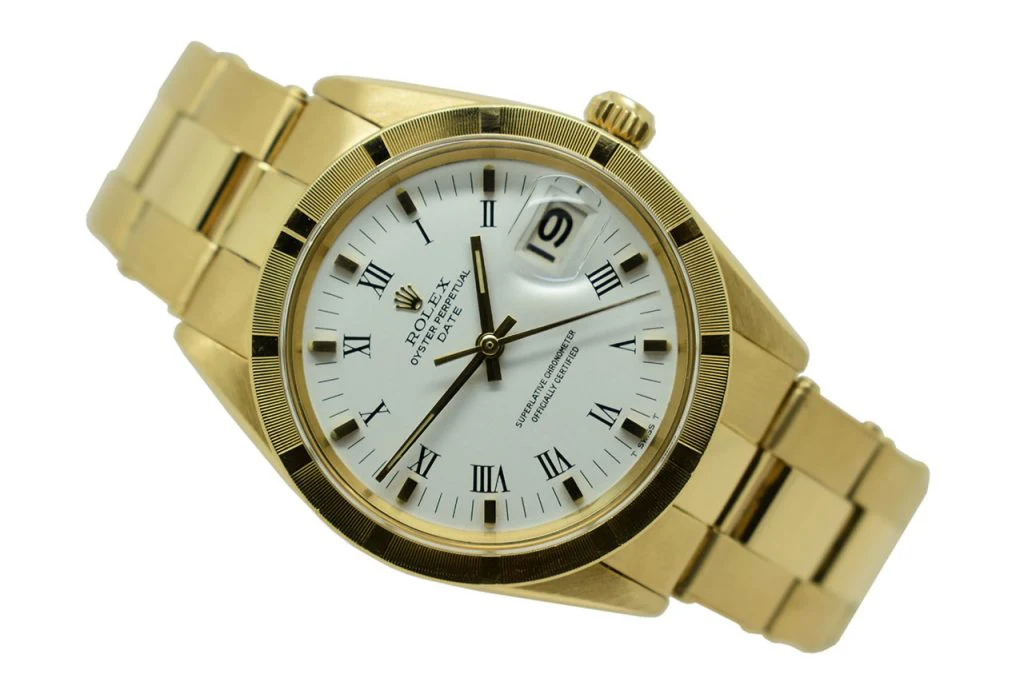
Owners of watches from brands such as Rolex, Patek Philippe, Audemars Piguet, Vacheron Constantin, Omega, Breitling, TAG Heuer, Cartier, IWC, Jaeger-LeCoultre, Panerai, and similar luxury manufacturers. Whether your watch is a recent purchase or a vintage piece, the principles outlined here remain relevant.
This Guide Does Not Cover
Smartwatches and fitness trackers such as Apple Watch or Garmin devices follow entirely different resale channels and are not addressed here. Similarly, fashion watches from non-specialist brands, costume jewellery watches, or low-value quartz pieces typically fall outside the scope of professional watch buying services. If you are uncertain whether your watch qualifies, learning how to get a watch appraised can help clarify its category and potential value.
When You’re Ready to Sell Your Watch
Deciding to sell a luxury watch is a personal choice, and there is no pressure to proceed until you feel fully informed and comfortable. The purpose of this guide has been to provide the knowledge needed to approach the process with confidence.
When you are ready to take the next step, working with an experienced watch buyer can simplify the entire experience. Professional valuation, secure handling, and same-day payment remove the uncertainty and effort associated with other selling routes.
If you would like to explore your options further, you can sell your watch with a trusted UK buyer and receive a no-obligation assessment of your timepiece.